Education and Careers in the Beauty Industry (Belgorod, Russia)
The beauty industry in Belgorod offers many paths: hairdressing, nails, makeup, esthetics, barbering, salon management and entrepreneurship. Whether you want to become a hands-on master, a salon manager or start your own studio, this guide covers practical steps, training options, legal and sanitary requirements, career progression, and local search tips.
Where to train (types of programs)
— State vocational colleges (среднее профессиональное образование) — 2–3 year programs for a full professional qualification.
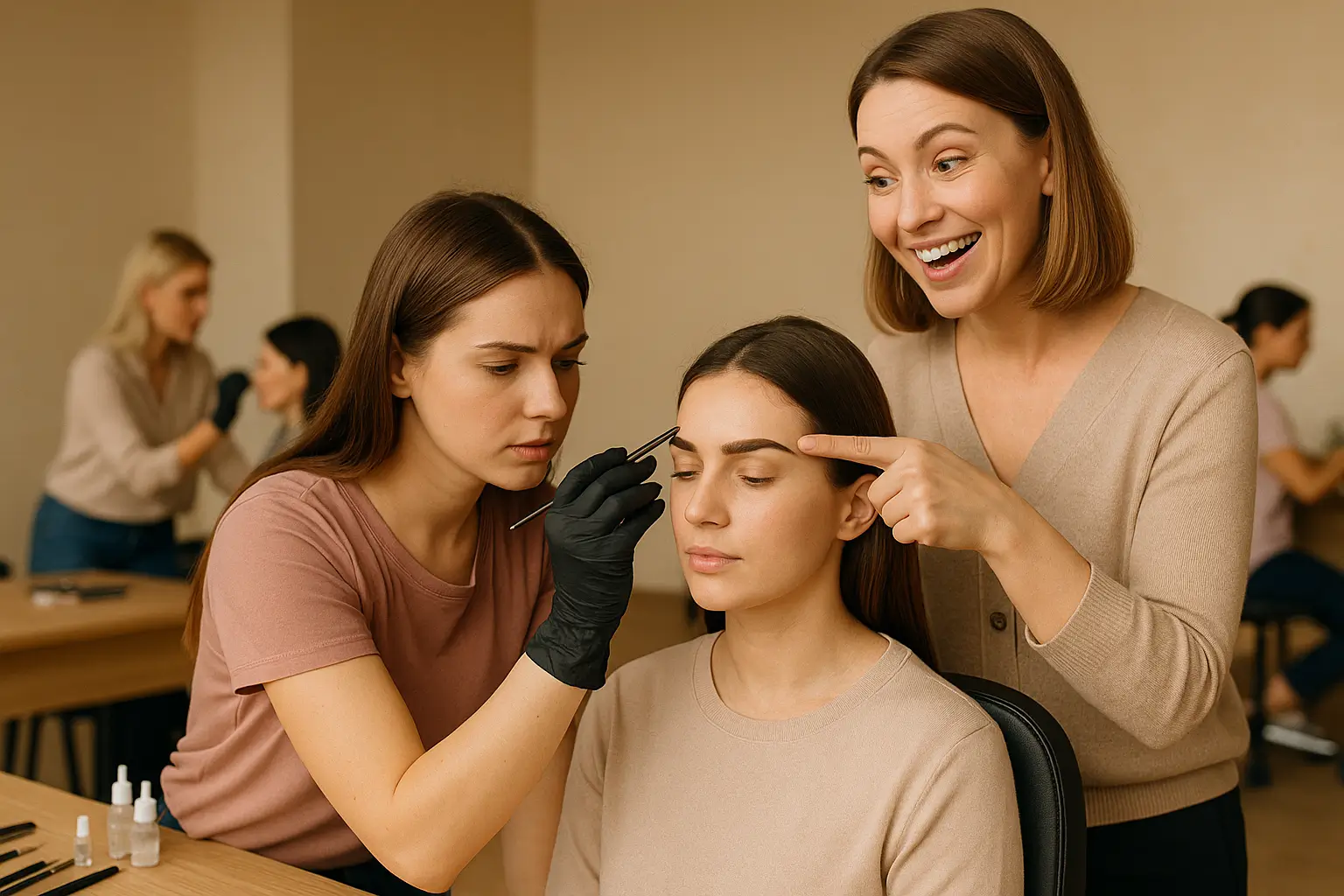
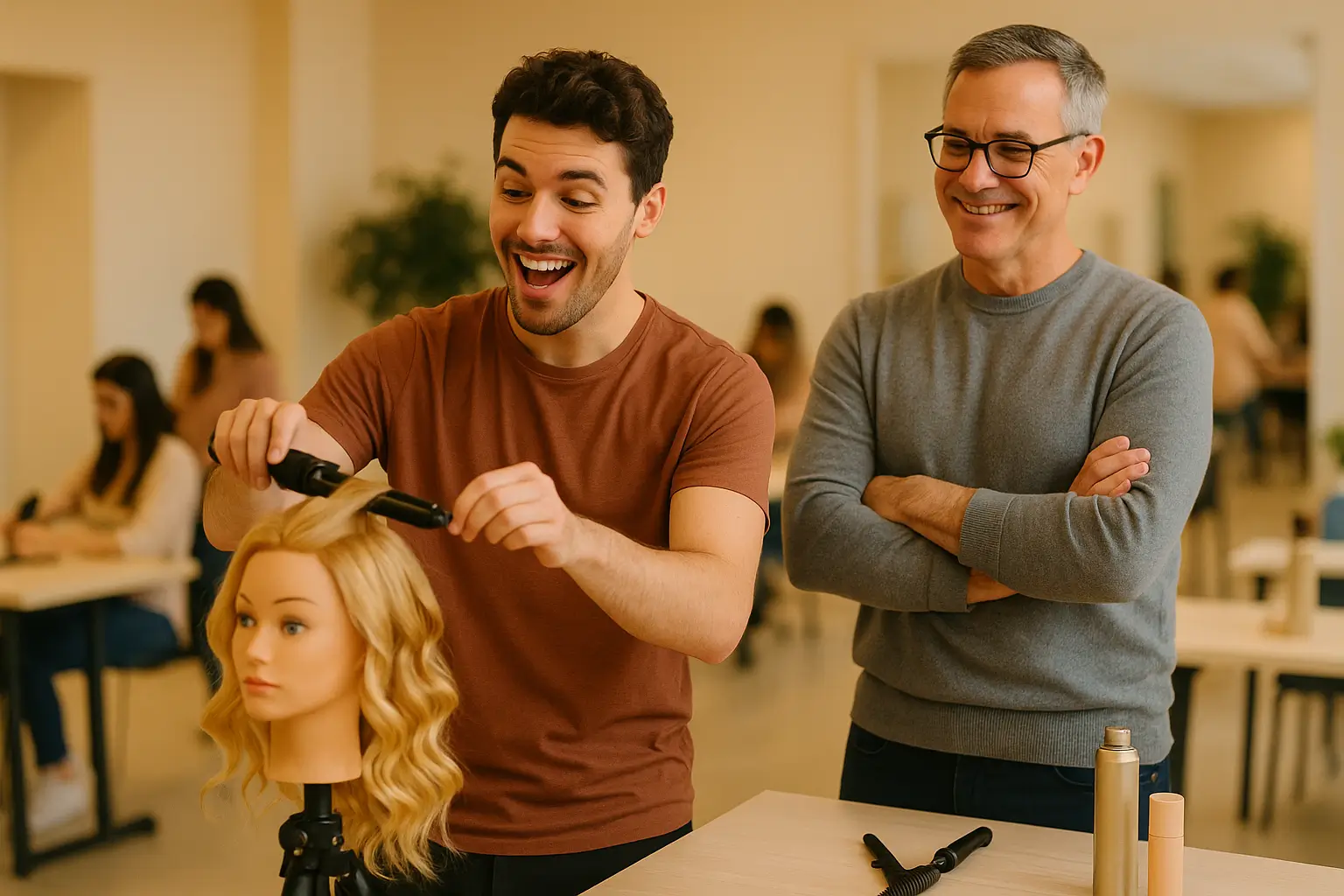
— Short courses and certificate programs — intensive 1–3 month or 3–6 month courses for specific skills (haircutting, coloring, manicure, lash extensions, makeup, etc.).
— Professional retraining and advanced training (повышение квалификации) — for upskilling or obtaining a new specialty.
— Brand academies and franchisor schools (L’Oréal, Schwarzkopf, OPI, etc.) — product-focused certifications recognized in salons.
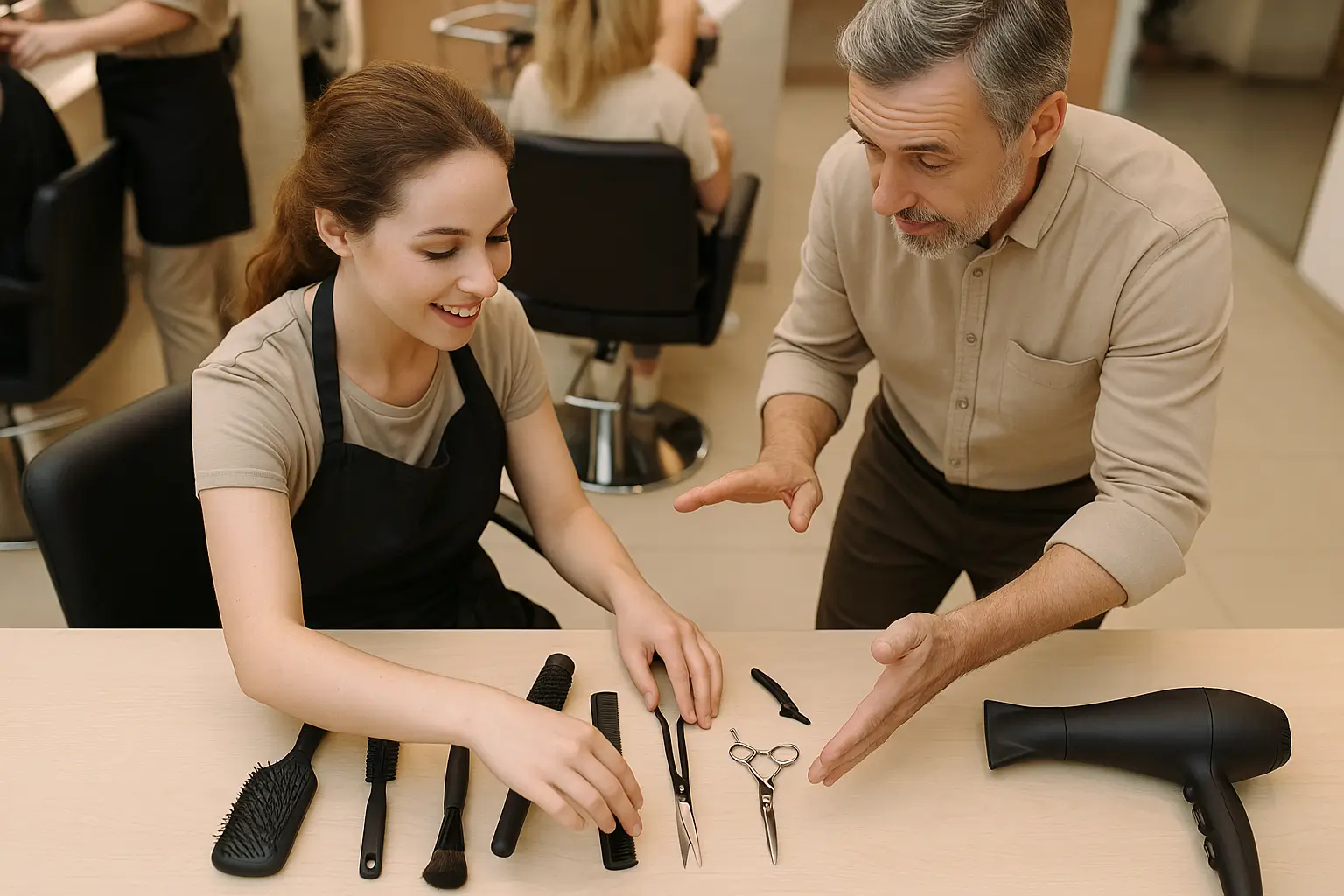
— Apprenticeships and on-the-job training in local salons — great for practical experience and building a client base.
— Online courses and hybrid programs — useful for theory and marketing, but pair with in-person practice.
How to find local programs in Belgorod:
— Search queries in Russian: «курсы парикмахеров Белгород», «курсы маникюра Белгород», «колледжи косметологии Белгород».
— Check local vocational college websites, salon pages, and social networks (VK, Instagram, Telegram).
— Contact the local employment center (центр занятости) for vocational training opportunities.
Duration & levels
— Introductory workshops: 1–7 days.
— Short specialty courses: 1–3 months.
— Professional programs: 6–12 months.
— College diplomas (SPO): 2–3 years.
— Continuous professional development: periodic masterclasses and certificates.
Legal, sanitary and professional requirements (Russia)
— Sanitary book (санитарная книжка / медицинская книжка) is commonly required for salon staff — check a local clinic for issuance and required tests.
— For medical/ invasive cosmetic procedures (injectables, mesotherapy, some advanced esthetic treatments) a medical education is legally required — these are not permitted to non-medical cosmetologists.
— Comply with Rospotrebnadzor sanitary norms, use approved disinfectants and follow waste disposal rules.
— If freelancing, decide on legal status: self-employed (налог на профессиональный доход — НПД / «самозанятый») or individual entrepreneur (ИП). Register with tax authorities and issue receipts.
— Keep certificates of professional training and brand certificates to build credibility.
Career path & earnings (approximate ranges)
— Trainee / Junior master: build skills and clientele — low base, income from tips and small service fees (примерно 15–30k RUB/month).
— Master / Specialist: steady clients, higher rates (примерно 30–70k RUB/month).
— Senior master / top specialist: regular returning clients, signature services, private clients (60k–150k+ RUB/month depending on workload and reputation).
— Salon manager / educator: salaries + bonuses; owners can earn more but assume business risk and costs.
Note: Actual earnings vary by specialization, hours, salon location and experience.
Skills to focus on
— Technical: cutting, coloring, styling, nail design, pedicure, lash work, makeup techniques.
— Hygiene & safety: sterilization, infection control, correct product handling.
— Client service: communication, consultations, handling complaints, retention.
— Business: price-setting, inventory, booking systems, bookkeeping basics.
— Marketing: social media (Instagram, VK, Telegram), portfolio building, photos, Google/Яндекс Maps listings.
Practical checklist before you start
— Choose a training program suited to your target service.
— Get a sanitary book and required medical